Your wedding dress deserves more than a dark closet after the big day.
After one of the most meaningful days of your life, that gown holds memories worth preserving — and there are far better options than letting it gather dust.
Whether you want to wear it again, display it, or transform it into something entirely new, Chicago brides have plenty of ways to give their dress a second life.
Have your dress professionally preserved first?
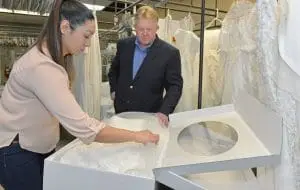
Before you explore any creative option, professional wedding dress preservation is the essential first step. Oils, perspiration, food, and Chicago’s humid summers leave invisible stains that oxidize over time, turning fabric yellow.
A professional clean protects the gown’s fabric, beading, and structure, keeping it in transformation-ready condition.
Studies show that untreated stains can permanently set within six months. If you plan to repurpose, display, or pass down your dress, getting it cleaned right away matters. Understanding what wedding dress preservation means helps you make the right call before committing to any next step.
Turn your gown into a wearable piece
One of the most practical ways to honor your dress is to transform it into something wearable. A skilled tailor can shorten the skirt into a cocktail dress perfect for anniversary dinners, galas, or black-tie events.
You keep the fabric, the sentiment, and the craftsmanship — just in a more versatile silhouette.
Another popular option is converting the gown into a luxurious robe. Satin, lace, and tulle layers translate beautifully into something you can wear on a future wedding morning — or pass to a daughter for hers. Robes made from bridal fabric make deeply personal gifts across generations.
Here are the most popular wearable transformations Chicago brides choose:
- Cocktail or evening dress with a shortened hemline and reshaped bodice
- Bridal robe using lace panels, satin, or tulle from the original gown
- Wrap or shawl crafted from a long lace train or structured skirt
- Custom clutch or handbag using embroidered or beaded sections
Create a keepsake that tells your story
Shadow boxes and framed displays turn your gown into wall art without cutting a single unnecessary piece. A section of lace, a few original buttons, and a wedding photo set against a neutral backing create a striking display for your bedroom or hallway.
This works especially well for heirloom gowns with intricate detailing that deserve to be seen every day.
You can also turn your wedding dress into a keepsake quilt by stitching the most beautiful fabric panels together with other meaningful textiles.
A grandmother’s tablecloth or a bridesmaid’s dress combined with your gown creates a family heirloom that future generations will actually use — not just store in a box and forget.
Repurpose it for a new generation
Your dress can live on through your children. Many Chicago brides have their gown converted into a christening gown, blessing outfit, or baby accessories — wrapping a new life in fabric from one of their most important days.
Fabric jewelry made from lace and beading is another deeply personal option; earrings, pendants, and hair combs crafted from your gown let you carry a piece of it to every anniversary and formal event.
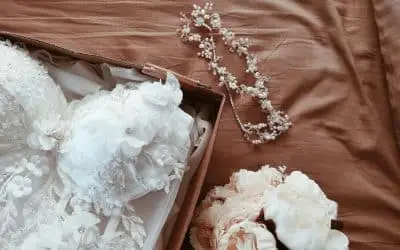
If you used acid-free wedding dress storage after the wedding, your fabric will be in excellent condition for these transformations.
Some of the most meaningful next-generation keepsakes include:
- Christening or baptism gown made from the bodice or skirt
- Baby shoes, bonnets, or hair accessories with lace trim
- Fabric jewelry — lace earrings, satin pendants, or beaded chokers
- A memory quilt combining dress fabric with other family textiles
Donate or sell your dress
Not every bride wants to hold onto her gown — and that’s a perfectly valid choice. Donating to organizations like Brides Across America gives military brides access to beautiful gowns they couldn’t otherwise afford.
It’s one of the most generous creative ideas for a wedding dress, extending the joy of your wedding day directly into someone else’s.
If you’d prefer to recoup some of the cost, selling your bridal gown through a reputable consignment shop or online bridal marketplace is a smart move. Have it cleaned first — a professionally cleaned dress commands a noticeably higher resale price and sells significantly faster.
Which option is right for you
The right choice depends on three things: your attachment to the dress, your timeline, and your budget. Sentimental brides who want to keep the memories close tend to lean toward preservation, display, or wearable transformation.
Practical brides who want to move forward often prefer donation or resale — especially after confirming whether wedding dress preservation is worth it for their specific situation.
One thing every option has in common — the dress needs to be cleaned first. Whether you plan to cut it, frame it, sell it, or store it, a professional cleaning protects your investment and keeps your options open.
Chicago brides who act within the first few weeks after the wedding get the best results, because stains that sit untreated for months become far harder — and sometimes impossible — to fully remove. Visiting a trusted wedding dress cleaner in Chicago is the smartest first move, regardless of what comes next.
Helpful guidance
These articles will help you take the right next steps for your gown:
- Best way to preserve your wedding dress — a full guide to professional preservation options
- How to get creases out of a wedding dress — before any display, alteration, or photoshoot
- Wedding dress crafts and designs — inspiration for DIY keepsake projects using your gown
Learn more about wedding dress options:
For expert advice on what to do with your wedding dress after the wedding, this guide from The Knot covers everything from resale to preservation in detail.
FAQs
Is it worth preserving a wedding dress before repurposing it?
Yes — always. Even if you plan to cut the dress into a robe or quilt, a professional cleaning removes hidden oils and stains that weaken fabric over time. A clean gown gives a tailor or seamstress the best possible material to work with and protects the integrity of every panel.
How do I stop my wedding dress from yellowing before I decide what to do with it?
Keep it out of direct sunlight and humidity, and never store it in a regular plastic bag. Use breathable, archival-quality materials and avoid attic or basement storage where temperature swings are common. A professional cleaner can also box and seal the gown until you’re ready to make a final decision.
Can I repurpose a wedding dress that already has stains?
In most cases, yes. A skilled tailor can work around stained areas by using clean sections of fabric for the new piece. That said, it’s always best to have the dress professionally cleaned before any alteration — even damaged gowns yield far better results once treated.
How long can I store a wedding dress before repurposing it?
With proper care, a wedding dress can be safely stored for decades. Brides planning to wait two or more years should use acid-free boxes and keep the gown away from fluctuating temperatures. A professional clean before storage is essential to prevent fabric deterioration over time.
What is the most popular way brides repurpose their wedding dresses?
Converting the gown into a cocktail dress or bridal robe ranks among the most popular choices because both options remain wearable and sentimental. Shadow box displays and christening gowns are close seconds, particularly for brides who want a keepsake tied to family milestones.
Can any part of a wedding dress be used for repurposing?
Almost every part of the dress can be repurposed — lace appliqués, tulle layers, satin lining, decorative trims, buttons, beading, and even the zipper. A skilled seamstress will assess the fabric condition and recommend the best sections for each project based on your vision.
How much does it cost to repurpose a wedding dress?
Costs vary widely depending on complexity. Small items like ornaments or pillows typically range from $20 to $80, while robes, cocktail dresses, or quilts can run $150 to $500. Custom or heavily embellished pieces may cost more depending on the design and the seamstress’s expertise.
Should I have my dress cleaned before donating it?
Yes — most reputable organizations request that donated gowns arrive cleaned and in wearable condition. A professionally cleaned dress is also far more likely to be accepted and placed quickly with a bride in need, making your donation genuinely impactful rather than an added burden.
Can a yellowed or older wedding dress still be repurposed?
Yes, in many cases. Professional cleaning can restore significantly yellowed gowns, and a seamstress can use the cleanest, most intact sections for any keepsake project. Even 20 or 30-year-old dresses have been successfully transformed into robes, quilts, and christening gowns.
What should I do with my wedding dress immediately after the wedding?
Hang it in a cool, dry area away from direct light as soon as possible. Avoid leaving it crumpled in a bag for days. Book a professional cleaning appointment within the first few weeks — the sooner stains are treated, the better the outcome for future use or preservation.
Is it possible to repurpose a wedding dress with heavy beading or embroidery?
Absolutely. Heavily embellished gowns actually offer some of the richest repurposing options. Beading and embroidery can be incorporated into clutches, jewelry, hair accessories, or framed art. A seamstress experienced in bridal fabric will know exactly how to handle delicate embellishments without damage.
How do I find a seamstress in Chicago who specializes in wedding dress repurposing?
Look for bridal alteration specialists or textile artists with experience in formal gown construction. Ask to see examples of past repurposing projects and confirm they have worked with the specific fabric type your dress uses — silk, satin, tulle, and lace each requires different handling techniques.