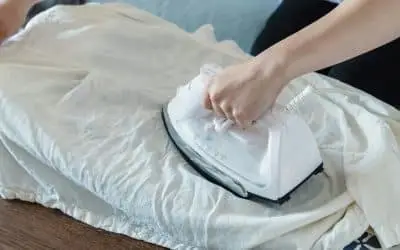

The moment you pick up your dress from the boutique, the responsibility of safe transport falls entirely on you — and most brides underestimate how much damage can happen between the hanger and the altar.
Wrinkles from car journeys, compression from garment bags, and poor handling during travel are among the most common reasons brides need last-minute pressing on the morning of the wedding.
Here is exactly how to avoid every one of those problems.
The garment bag — your first line of defense
Everything starts with the right bag. The garment bag your boutique provides is usually adequate for short-term storage, but not all bags are equal for transport.
A breathable fabric garment bag — cotton or a specialist bridal cover — protects the gown from dust, snagging, and light without trapping the moisture that plastic bags create.
Never transport your wedding dress in a sealed plastic bag. Plastic traps humidity against the fabric, causing wrinkles to set more deeply and — over longer periods — initiating the yellowing process in white and ivory fabrics.
A breathable cover allows the fabric to move slightly rather than being pressed flat against itself, which is the primary cause of transport-related crease marks.
Keeping your wedding dress white for generations starts with the right storage materials — and that principle applies equally to transport.
Traveling by car
A car is the ideal mode of transport for a wedding dress — you control the environment, the speed, and exactly how the gown is handled throughout the journey.
Hanging in the back seat
The best position for a gown in a car is hanging from the grab handle above the rear passenger door on a sturdy, padded hanger. The skirt drapes across the back seat and is kept as flat as possible.
Lying flat in the boot
If the car does not have enough height for the gown to hang without the hem touching the seat, laying it flat across the back seat or boot is the next best option.
What to avoid completely
Never fold the gown into a bag and place it in the footwell or boot without support. Never allow the train to pool on a dirty car floor.
Never leave the gown in a hot car — summer temperatures inside a parked vehicle in Chicago can exceed 130°F, high enough to cause fabric damage and set wrinkles permanently in synthetic fabrics.
Wedding dress wrinkling from car transport is one of the most common issues brides bring to professional pressers in the days before the wedding — and almost all of it is preventable.
Flying with your wedding dress
Flying with a gown requires advance planning — but it is entirely manageable when you know the rules before you get to the airport.
Always carry it on
The single most important rule for flying with a wedding dress is to never check it. Checked baggage is handled roughly, compressed under other luggage, and occasionally lost.
Contact the airline before you travel
Most major airlines — including United, Delta, and Alaska — allow wedding dresses as carry-on items and some have dedicated cabin closets for hanging garments. Contact the airline at least a week before travel to confirm their policy and request hanging space.
If hanging space is not available
If the airline cannot provide hanging space, fold the gown as minimally as possible, using acid-free tissue paper to cushion every fold. Roll the train from the bottom rather than folding it flat — rolling creates softer crease lines that release more easily than sharp fold marks.
Arriving at your destination
Take the gown out of the bag immediately on arrival and hang it in the hotel bathroom. Run the hottest shower possible with the door closed for 20 to 30 minutes — the steam and gravity together will release most travel wrinkles from most fabrics without direct heat contact.
For anything that does not release with this method, arrange professional pressing at your destination rather than attempting further home treatment on unfamiliar fabric.
Should you get your dress professionally pressed covers exactly what to expect from professional pressing and why it is always the safer choice after travel.
Transporting the dress on the wedding day itself
The journey from where you are getting ready to the ceremony venue is often the transport leg brides think about least — and the one that causes the most last-minute problems.
A twenty-minute drive across Chicago in a packed car, with bridesmaids, bags, and flowers competing for space, is more than enough to undo careful preparation.
Here are the non-negotiables for wedding day transport:
- The gown travels on a padded hanger from a grab handle or lies completely flat — never folded or compressed
- Nothing shares the same space as the gown — no bags, no flowers, no coats placed on the skirt
- The car is not left running with the gown inside unattended in warm weather
- The train is supported and not allowed to trail on any surface during loading and unloading
- Arrival at the venue allows at least thirty minutes before the dress needs to go on — enough time for any minor touch-ups if needed
Wedding dress after the wedding guidance follows the same principles in reverse — the journey home after the reception carries the same transport risks as the journey there, with the added complication of a gown that may now carry stains or soil that need prompt professional attention.
What to do if wrinkles happen anyway
Even with perfect preparation, some wrinkling during transport is normal — particularly on gowns with multiple layers of tulle, chiffon, or heavy structured fabric. The key is addressing it before the ceremony rather than hoping it will resolve itself.
For minor surface wrinkles on synthetic fabric, the bathroom steam method works well — hang the dress in a steamy bathroom for twenty to thirty minutes before getting ready.
For deeper compression marks or structured fabric that does not respond to steam, professional pressing is the only reliable solution.
Professional wedding dress cleaners who offer pressing services can often accommodate urgent appointments for brides in the days immediately before the wedding — always worth a call if transport has not gone as planned.
Quick tip: Pack a small handheld steamer and distilled water in your wedding-day kit for minor touch-ups upon arrival at the venue. It is not a substitute for professional pressing, but for a small crease on a synthetic fabric section, it buys you the ten minutes you need without any of the wedding morning stress.
Helpful guidance:
These articles will help you keep the gown in perfect condition from transport through to after the wedding:
Expert advice worth reading:
For a complete guide to transporting a wedding dress by car, plane, and public transport — including fabric-specific advice from bridal stylists on minimizing wrinkles during travel — this expert fabric care guide from Brides covers every scenario with professional input from across the industry.
FAQs
What is the safest way to transport a wedding dress by car?
Hang it from the grab handle above the rear passenger door on a padded hanger, with the skirt draped across the back seat as flat as possible.
Can I check my wedding dress as luggage on a flight?
Never. Checked baggage is handled roughly, compressed under other items, and occasionally lost or damaged.
How do I remove travel wrinkles from my wedding dress after a flight?
Hang the gown in the hotel bathroom and run the hottest shower possible with the door closed for twenty to thirty minutes.
Should I use a plastic or fabric garment bag for transport?
Always a breathable fabric bag. Plastic traps moisture against the fabric, causing wrinkles to set more deeply and beginning the yellowing process in white and ivory fabrics over time.
What if the airline does not have a cabin closet for hanging?
Fold the gown as minimally as possible, using acid-free tissue paper at every fold, roll the train from the bottom rather than folding it flat, and place the bag at the top of the overhead bin with nothing on top of it during the flight.
How do I transport the dress from the getting-ready location to the venue?
Assign one person to manage the dress throughout this journey. The gown travels hanging or flat, separated from all other items.
What should I do if my dress arrives at the venue with significant wrinkles?
Contact a professional pressing service immediately. Chicago Wedding Dress Cleaners offers rush and same-day pressing services for exactly this situation.