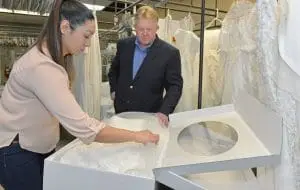

Learning how to wash vintage clothes properly protects irreplaceable garments from damage while removing decades of accumulated soil.
Naperville’s thriving vintage clothing scene includes treasures from estate sales, antique shops, and family heirlooms that deserve careful handling. These delicate pieces require different care than modern washable fabrics.
Vintage clothing often features fragile fabrics, old dyes, and construction methods that cannot withstand modern washing techniques.
One wrong move can destroy a piece that survived decades in perfect condition. Understanding the unique challenges of vintage textiles helps you clean them safely while preserving their historical value.
Vintage Fabric Characteristics
Vintage fabrics behave differently from their modern counterparts. Natural fibers dominate older clothing, including cotton, linen, silk, and wool that predate synthetic blends.
These materials have aged over time, making fibers more brittle and susceptible to tearing.
Dyes used in vintage clothing were often less stable than modern colorants. Many older garments contain vegetable-based or early synthetic dyes that bleed easily or fade when wet. Testing colorfastness before washing prevents irreversible color loss.
Common Vintage Fabric Types
Different era fabrics require specific handling approaches:
- 1920s-1930s silk becomes extremely fragile and may shatter when wet
- 1940s rayon shrinks dramatically and loses shape in water
- 1950s cotton usually tolerates gentle washing better than cotton from other decades
- 1960s-1970s polyester handles washing similarly to modern synthetics
Understanding the principles of delicate silk fabric cleaning helps you clean vintage garments with the proper techniques and precautions.
Pre-Wash Assessment and Testing
Never wash vintage clothing without thoroughly inspecting it first. Examine every seam, button, and embellishment for weakness or damage. Hold garments up to light to identify thin spots or small holes that water pressure might enlarge.
Check the fabric’s structural integrity. Gently tug a small, inconspicuous area to assess fiber strength.
If threads break easily or fabric tears with minimal pressure, the garment cannot withstand washing and needs professional conservation.
Essential Pre-Wash Tests
Conduct these critical assessments before washing:
- Fiber strength test by gently pulling the fabric in hidden areas
- Colorfastness test using damp white cotton on all colors
- Seam integrity check examining stitching for weakness
- Embellishment security, ensuring buttons and trim are firmly attached
Professional expertise makes a difference for valuable pieces. Consider expert wedding dress cleaning services for vintage garments requiring specialized care beyond home capabilities.
Hand Washing Vintage Garments
Hand washing offers the safest cleaning method for most vintage clothing. Fill a clean sink or plastic tub with cool water, never exceeding 80°F.
Hot water sets stains permanently and can cause irreversible shrinkage in natural fibers.
Add a small amount of gentle, pH-neutral detergent designed for delicate fabrics. Avoid modern detergents with brighteners, enzymes, or heavy fragrances that attack aged fibers.
Specialty vintage fabric detergents or simple Woolite provide safer alternatives.
Submerge the garment gently and let it soak for no more than 5-10 minutes. Longer soaking times allow water to penetrate aged fibers too deeply, causing structural damage. Never agitate or scrub vintage fabrics aggressively.
Hand Washing Step-by-Step Process
Follow this careful sequence for optimal results:
- Fill the basin with cool water and gentle detergent
- Submerge the garment completely without twisting
- Soak for 5-10 minutes maximum
- Drain soapy water and refill with clean, cool water
- Repeat rinsing until no soap remains
Spot Cleaning Techniques
Spot cleaning addresses isolated stains without subjecting entire garments to the stress of washing. This targeted approach works best for vintage pieces too fragile for full immersion. Use distilled water to avoid mineral deposits left by tap water on vintage fabrics.
Apply cleaning solutions with cotton swabs or soft white cloths. Work from the stain’s outer edge toward the center to prevent spreading. Blot rather than rub to lift stains without damaging the fabric structure.
Common Vintage Stain Treatments
Address frequent vintage clothing stains with these methods:
- Yellowing from age often improves with oxygen-based brighteners
- Perspiration stains respond to a white vinegar and water solution
- Mildew spots may lighten with careful lemon juice application
- Mystery stains require professional assessment before treatment
Learning proper spot cleaning methods provides valuable skills transferable across various delicate garment types and cleaning situations.
Drying Vintage Clothing Safely
Air drying prevents heat damage that destroys vintage textiles. Lay garments flat on clean, white towels away from direct sunlight. Roll the towel with the garment inside to absorb excess moisture, then unroll and reshape on a dry towel.
Never hang wet vintage clothing, as the weight of water stretches fibers and distorts original shapes. Knits especially suffer from hanging damage. Flat drying maintains structural integrity while allowing thorough air circulation.
Choose drying locations with good ventilation but no direct sun exposure. Sunlight fades vintage dyes rapidly and can yellow white or light-colored fabrics.
Naperville’s summer climate requires indoor drying with fans to prevent mildew.
Optimal Drying Practices
Create ideal drying conditions with these techniques:
- Use white towels that won’t transfer dye to wet garments
- Reshape garments to their original dimensions while damp
- Change drying towels when they become saturated
- Rotate garments periodically for even air exposure
Understanding proper garment storage methods ensures your cleaned vintage pieces remain in excellent condition between wearings.

When is Professional Cleaning Necessary?
Some vintage garments should never be washed at home. Pieces with beading, sequins, or metallic threads require professional dry cleaning with heritage garment expertise. These embellishments are not water-resistant and require solvent-based cleaning methods.
Structured vintage items, such as tailored jackets, shoulder-padded coats, or garments with interior construction, require professional care.
Water destroys the glues and sizing used in vintage tailoring. Professional cleaners understand how to clean these pieces without compromising structure.
Signs You Need Professional Help
Seek expert assistance when you encounter:
- Unknown fiber content in complex fabric blends
- Extensive beading, sequins, or metallic embroidery
- Structured garments with interior canvas or padding
- Museum-quality pieces with historical significance
Removing Odors from Vintage Clothing
Vintage garments often carry musty odors from years in storage. Fresh air provides the safest deodorizing method for pieces too fragile to wash. Hang items outdoors in shade on breezy days, bringing them inside before evening dew forms.
Baking soda absorbs odors without chemicals or moisture. Sprinkle baking soda liberally over the garment laid flat, let it sit for 24-48 hours, then shake or vacuum it off using low suction with a nylon stocking over the nozzle.
Common Vintage Fabric Issues
Yellowing affects many vintage white and light-colored fabrics. Oxygen-based brighteners can reverse some yellowing when used carefully on sturdy cotton or linen.
Mix according to package directions, test on hidden areas, and soak for no more than 30 minutes.
Brittle fabrics benefit from careful reintroduction of moisture. Extremely dry vintage textiles can be humidified by hanging them in a steamy bathroom with the door closed for 15-20 minutes.
This process makes fibers more pliable before gentle handling.
Addressing Specific Fabric Problems
Target these common vintage textile issues effectively:
- Moth damage requires cleaning before storage, with proper pest prevention
- Water stains may fade with repeated gentle dabbing using distilled water
- Rust marks from old pins respond to commercial rust removers with caution
- Stiffness improves with careful steam exposure from garment steamers
Storage After Cleaning Vintage Clothes
Proper storage protects freshly cleaned vintage garments from re-soiling and damage. Use acid-free tissue paper to pad sleeves and fill body areas that might crease. This archival-quality tissue prevents yellowing and supports fabric without stress points.
Store vintage clothing in breathable cotton muslin bags or archival boxes. Never use plastic bags or containers that trap moisture and promote mildew growth.
Acid-free cardboard boxes lined with unbleached muslin provide ideal storage environments.
Professional preservation methods apply to valuable vintage pieces. Review wedding dress preservation techniques for approaches suitable for necessary vintage garment storage and long-term protection.
Special Considerations for Different Vintage Eras
1920s garments often feature delicate silk that requires extra gentle handling. Beaded flapper dresses should never be washed at home due to the fragility of the bead attachments and the risk of silk deterioration. Professional conservation provides the only safe cleaning option for these pieces.
1940s, wartime garments used rayon extensively due to fabric rationing. This early synthetic fiber shrinks dramatically in water and permanently loses shape.
Dry cleaning or careful spot cleaning works best for 1940s rayon pieces.
1950s clothing generally features more stable fabrics and construction. Cotton day dresses from this era often tolerate careful handwashing better than those from earlier decades. Still test thoroughly and proceed cautiously with any vintage piece.
Natural Cleaning Solutions for Vintage Fabrics
White vinegar provides gentle cleaning power for many vintage fabric types. Mix one part white vinegar with four parts cool water for an effective, non-toxic cleaning solution. This mixture removes odors, brightens whites, and safely dissolves mineral deposits.
Castile soap offers pure, gentle cleaning without harsh additives. This vegetable-based soap works well for vintage natural fibers.
Use sparingly, as it produces minimal suds but cleans effectively without leaving a residue.
Borax boosts cleaning power for sturdy vintage cottons and linens. Add one tablespoon per gallon of water to help remove stains and brighten whites.
Test borax solutions carefully, as they can be too alkaline for some vintage fabrics.
Vintage Garment Care Guide:
Proper vintage textile care extends beyond basic cleaning to comprehensive preservation. Here are helpful guides for maintaining historical garments:
- Clean satin wedding dress at home – Techniques for delicate vintage satin fabrics
- Wedding dress preservation kit – Archival supplies for long-term vintage garment storage
- Acid-free wedding dress storage – Why acid-free materials protect vintage textiles
Expert Textile Conservation Guidance:
For professional advice on historical textile care and preservation techniques, the American Institute for Conservation provides comprehensive resources developed by conservation specialists dedicated to preserving cultural heritage materials.
FAQs
Can all vintage clothes be washed at home?
No, many vintage garments require professional conservation or dry cleaning.
How do I know if my vintage clothing is too fragile to wash?
Test fabric strength by gently pulling a hidden area. If threads break or fabric tears easily, the garment is too fragile for washing and needs professional assessment.
What temperature water should I use for vintage clothing?
Always use cool water below 80°F for vintage garments. Hot water causes shrinkage, sets stains permanently, and irreversibly damages aged fibers.
Can I use regular laundry detergent on vintage clothes?
No, regular detergents contain enzymes and brighteners that damage vintage fabrics.
How long can I soak vintage clothing?
Limit soaking to 5-10 minutes maximum. More prolonged exposure allows water to penetrate aged fibers too deeply, causing structural damage and fiber weakening.
Should I dry clean or wash vintage garments?
It depends on fabric type and garment construction. Test thoroughly before deciding, and when uncertain, consult professional vintage textile conservators.
How do I remove yellow stains from vintage white fabrics?
Try oxygen-based brighteners after testing on hidden areas. Soak sturdy cotton or linen for no more than 30 minutes, monitoring carefully for adverse reactions.
Can I iron vintage clothing?
Use the lowest heat settings with pressing cloths between the iron and the fabric.
What’s the best way to store vintage clothes after washing?
Store flat or carefully folded with acid-free tissue in breathable cotton bags.
How often should I wash vintage clothing?
Wash vintage garments only when necessary. Frequent washing accelerates deterioration.
Can vintage rayon be washed in water?
Vintage rayon shrinks dramatically in water and permanently loses shape.
What causes the musty smell in vintage clothes?
Musty odors come from mildew, long-term storage, or absorbed environmental smells.