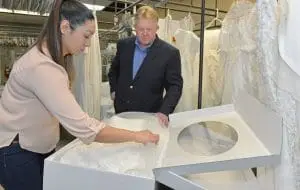

Understanding whether dry cleaning damages clothes helps you make informed decisions about garment care in Naperville.
Many people worry that the chemicals and processes used in dry cleaning harm their favorite garments over time. The truth is that proper dry cleaning protects fabrics, while poor-quality service or excessive cleaning can cause damage.
Dry cleaning uses specialized solvents instead of water to clean delicate fabrics that cannot withstand traditional washing.
When performed correctly by experienced professionals, this process extends garment life and maintains appearance. However, several factors determine whether dry cleaning helps or harms your clothing investment.
How the Dry Cleaning Process Works?
Dry cleaning removes dirt and stains using chemical solvents rather than water. The most common solvent is perchloroethylene, known as perc, which effectively dissolves oils and grease.
Modern dry cleaners also use hydrocarbon- and silicone-based solvents, which offer gentler alternatives.
The process begins with pre-treatment of visible stains using specialized spotting agents. Garments are then placed into large washing machines filled with solvent rather than water.
The mechanical action loosens soil while the solvent dissolves oils and other contaminants.
Key Steps in Professional Dry Cleaning
The dry cleaning cycle includes these essential phases:
- Inspection and tagging to identify stains and special care needs
- Pre-spotting treatment for visible stains and heavy soiling
- Machine cleaning using appropriate solvents and gentle agitation
- Post-spotting to address any remaining stains after cleaning
- Finishing and pressing to restore the garment’s shape and appearance
Understanding professional garment preservation methods reveals how expert cleaners protect valuable clothing through proper handling and appropriate cleaning techniques.
Does Dry Cleaning Cause Damage?
Poor-quality dry cleaning damages clothes through several mechanisms. Harsh chemicals, excessive heat, and aggressive mechanical action all stress fabrics beyond their tolerance.
Inexperienced operators who fail to identify fabric types make mistakes that ruin garments.
Over-cleaning represents one of the most common causes of dry cleaning damage. Each cleaning cycle removes some natural oils from fabrics and slightly weakens fibers.
Cleaning too frequently accelerates this deterioration, making garments brittle and prone to tearing.
Common Types of Dry Cleaning Damage
Watch for these signs of improper dry cleaning:
- Color fading from harsh solvents or excessive cleaning cycles
- Fabric shrinkage caused by high drying temperatures
- Button damage from aggressive tumbling or improper pressing
- Shiny spots where pressing burned or melted fabric fibers
- Chemical odors indicate insufficient solvent removal
Benefits of Proper Dry Cleaning
Professional dry cleaning done correctly significantly extends garment life. Solvents remove oil-based stains that water cannot touch, preventing permanent discoloration.
Regular professional cleaning removes accumulated body oils and environmental pollutants before they damage fibers.
Dry cleaning maintains the shape and structure of tailored garments. Suits, dress pants, and structured dresses contain interfacing and padding that water destroys.
Solvent-based cleaning preserves these internal components that give garments their professional appearance.
Delicate fabrics like silk, wool, and rayon benefit from dry cleaning’s gentle approach. These materials can shrink, stretch, or lose color in water. The dry cleaning process cleans thoroughly while respecting fabric limitations.
Residents seeking quality garment care can explore professional cleaning services in Naperville that understand proper techniques for various fabric types and garment constructions.
Fabric Types Most Vulnerable to Damage
Certain fabrics require extra care during dry cleaning to prevent damage. Silk ranks among the most delicate materials, and some types can become stiff or develop water spots from improper handling.
Weighted silks especially deteriorate quickly when cleaners use the wrong solvents or at the wrong temperatures.
Rayon and acetate fabrics pose challenges because they look similar but require different treatments.
Acetate dissolves in some cleaning solvents, while rayon shrinks when heated. Cleaners must correctly identify these materials to avoid disasters.
High-Risk Fabric Categories
These materials demand expert dry cleaning attention:
- Vintage fabrics weakened by age and previous cleaning
- Beaded or sequined garments where embellishments may not tolerate solvents
- Fur and fur-trimmed items requiring exceptional temperature control
- Delicate lace that can snag or tear in machine drums
Learning about the types of silk fabric cleaning helps you understand which garments require professional care and which can be cleaned at home.
Signs Your Dry Cleaner Is Damaging Clothes
Several warning signs indicate your dry cleaner uses poor practices. Strong chemical odors on returned garments suggest insufficient drying and solvent removal.
Properly cleaned clothes should smell fresh, not like cleaning chemicals.
Consistent color changes across multiple garments indicate solvent contamination or the use of harsh chemicals. If whites return yellowed or colors appear faded after each cleaning, switch cleaners immediately. Quality service preserves original colors.
Red Flags for Poor Service Quality
Recognize these indicators of problematic dry cleaning:
- Garments returned with new stains or discoloration
- Buttons cracked, melted, or missing after cleaning
- Persistent wrinkles that pressing should have removed
- Shrinkage or stretching changes the garment fit
- Seams weakened or coming apart at stress points
How Often Should You Dry Clean?
The frequency of cleaning dramatically affects whether dry cleaning damages your clothes. Most garments need cleaning only 2-4 times yearly with proper care between wearings. Over-cleaning accelerates wear regardless of cleaner quality.
Suits benefit from rotation systems that minimize the need for individual garment cleaning. Owning multiple suits and rotating them allows each piece to rest between wearings.
This approach extends the time between cleanings while maintaining a professional appearance.
Optimal Cleaning Schedules by Garment Type
Different clothing items require varied cleaning frequencies:
- Suits and blazers need cleaning every 3-4 months with regular wear
- Dress pants should be cleaned after 5-6 wearings
- Formal dresses require cleaning after each wearing for special events
- Winter coats benefit from once or twice yearly cleaning
Choosing a Quality Naperville Dry Cleaner
Selecting the right dry cleaner prevents damage and ensures quality results. Ask about the cleaning solvents used and equipment maintenance schedules. Modern, well-maintained equipment produces better results with less fabric stress.
Inquire about staff training and experience levels. Skilled pressers and spotters make a significant difference in the final garment’s appearance. Cleaners employing certified garment care professionals deliver superior service.
Check for membership in professional organizations, such as the Drycleaning & Laundry Institute. These memberships indicate commitment to industry standards and continuing education.
Questions to Ask Potential Cleaners
Evaluate dry cleaning services with these inquiries:
- What type of cleaning solvent do you use?
- How often do you distill and filter your solvents?
- Do you hand-press garments or use automated equipment?
- What training do your employees receive?
- How do you handle garments with special care requirements?
Alternatives to Traditional Dry Cleaning
Wet cleaning offers an eco-friendly alternative that works for many garments. This water-based process uses specialized equipment and detergents designed for delicate fabrics.
Wet cleaning avoids harsh chemical solvents while effectively removing water-soluble stains.
Green dry cleaning uses non-toxic, biodegradable solvents instead of perchloroethylene.
Liquid carbon dioxide and silicone-based solvents clean effectively while being gentler on fabrics and the environment. These alternatives cost slightly more but offer superior fabric care.
Professional hand washing is better suited to certain delicate items than any dry cleaning method.
Silk blouses, cashmere sweaters, and fine knitwear often respond better to gentle hand washing with appropriate products. Experienced cleaners know which items benefit from this approach.

Understanding Garment Care Labels
Care labels provide essential guidance for proper garment cleaning. The dry-clean-only designation means manufacturers believe the garment cannot withstand water washing.
However, this marking sometimes reflects liability concerns rather than absolute necessity. Some dry-clean-only labels indicate the safest cleaning method rather than the only option.
Experienced cleaners can sometimes successfully wet-clean items marked ‘dry clean only’. However, attempting this at home risks damaging valuable garments.
Protecting Embellishments During Cleaning
Buttons, beads, sequins, and other decorative elements require special attention during dry cleaning.
Quality cleaners remove fragile buttons before cleaning and reattach them afterward. This extra step prevents damage from heat, solvents, and mechanical action.
Beaded garments require mesh bags or handwashing to protect embellishments. Machine tumbling can break bead threads or crack delicate beads. Professional cleaners recognize high-risk embellishments and adjust processes accordingly.
Understanding proper garment storage after cleaning ensures your professionally cleaned clothes remain in excellent condition between wearings.
The Truth About Perc and Health Concerns
Perchloroethylene remains controversial due to health and environmental concerns. Modern dry cleaning equipment captures and recycles perc effectively, minimizing ecological release.
However, poorly maintained equipment can leak solvent into the air and groundwater.
Health risks from perc primarily affect dry cleaning workers with chronic exposure. Customers face minimal risk from properly cleaned garments in which the solvent has been thoroughly removed.
Related Garment Care:
Proper clothing care extends beyond dry cleaning to comprehensive garment maintenance. Here are helpful guides for protecting your wardrobe:
- Spot clean wedding dress at home – Addressing stains between professional cleanings
- Best way to preserve a wedding dress – Long-term garment preservation techniques
- What does spot clean mean – Understanding care label terminology
Expert Garment Care Information:
For comprehensive guidance on fabric care and dry cleaning processes, the Drycleaning Institute provides industry standards and research-based recommendations developed by garment care professionals.
FAQs
Does dry cleaning shorten the life of clothes?
Proper dry cleaning extends garment life by removing damaging oils and stains.
How many times can you dry-clean a garment?
Quality garments withstand dozens of proper dry cleanings over their lifetime.
Is dry cleaning better than washing?
Dry cleaning works better for delicate fabrics, tailored garments, and oil-based stains.
Can dry cleaning remove all stains?
Dry cleaning removes oil-based stains effectively but struggles with water-based stains.
Why do my clothes smell after dry cleaning?
Chemical odors indicate insufficient drying time or contaminated solvents. Properly cleaned garments should smell fresh.
Does dry cleaning fade colors?
Poor-quality dry cleaning or contaminated solvents can cause color fading.
Can dry cleaning shrink clothes?
Yes, excessive heat during drying or pressing can cause garments to shrink.
How long does dry cleaning take?
Most dry cleaners require 2-3 days for standard service. Rush service costs extra but completes cleaning in 24 hours.
Is green dry cleaning as effective as traditional?
Modern green dry cleaning methods clean as effectively as perchloroethylene while being gentler on fabrics and the environment.
Should I dry clean new clothes before wearing?
Most new clothes do not need cleaning before first wear unless they have chemical odors or visible soiling.
Can dry cleaning damage wedding dresses?
Improper dry cleaning damages delicate wedding gown fabrics and embellishments.