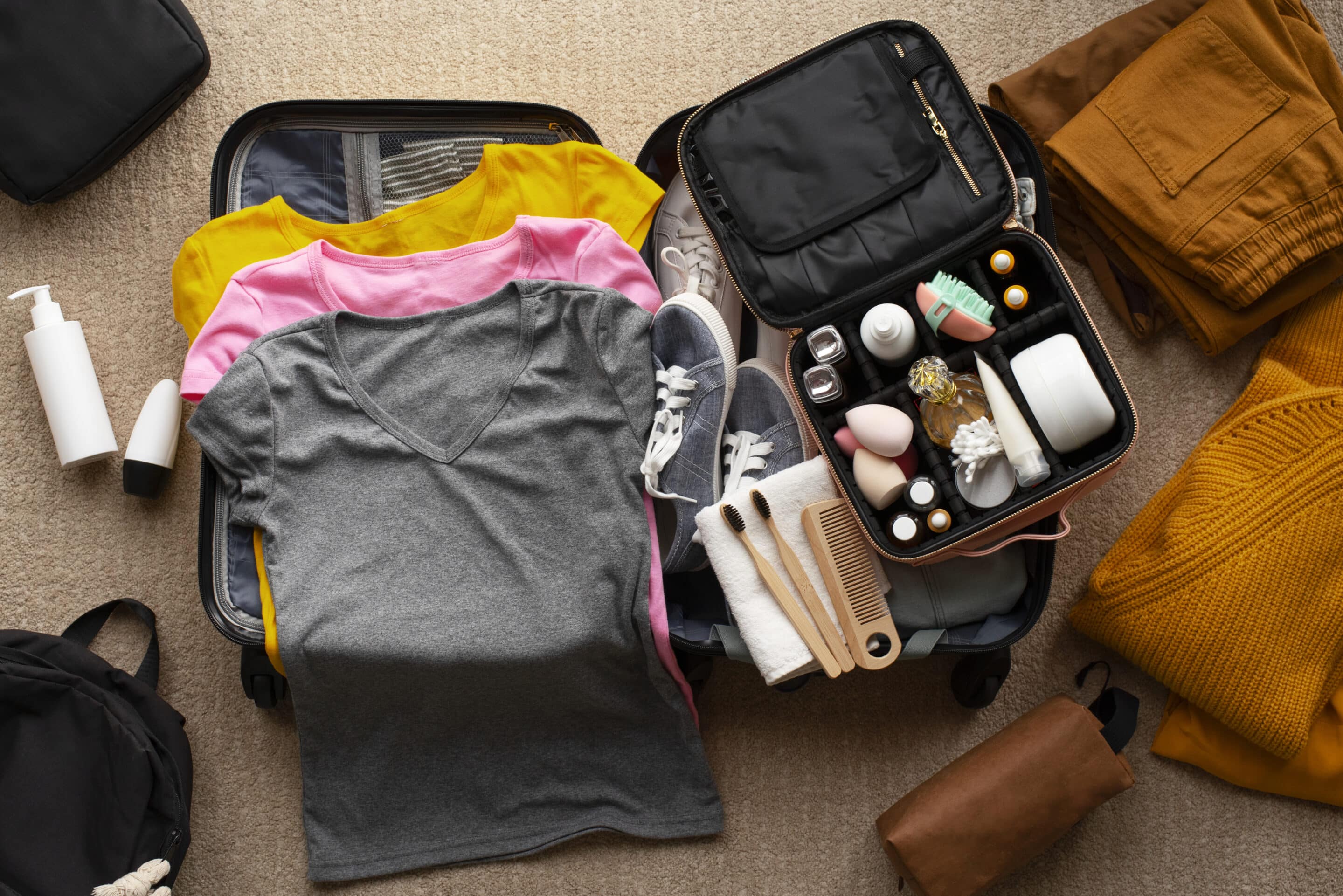
Learning how to pack clothes for travel efficiently saves Naperville residents time, space, and hassle before trips. The best packing method combines rolling techniques, strategic folding, and proper organization to maximize suitcase space while minimizing wrinkles.
Understanding which items to roll versus fold and how to layer garments creates compact luggage arrangements.
Naperville travelers face varied packing challenges, from business trips that require wrinkle-free attire to family vacations that require bulky winter gear.
Clever packing techniques prevent overstuffed luggage, reduce baggage fees, and ensure you arrive with organized, presentable clothing.
Proper preparation before Chicago airport departures makes travel smoother and more enjoyable.
Basic Packing Principles
Plan outfits thoroughly before packing any items into luggage. Create specific outfit combinations,, eliminating unnecessary pieces, that take up valuable space. This planning prevents packing “just in case” items that are rarely worn.
Choose versatile clothing pieces that work in multiple outfit combinations. Neutral colors mix and match easily, creating more options. One jacket paired with three different shirts provides three distinct looks.
Essential Packing Rules
Follow these fundamental packing guidelines:
- Plan complete outfits before selecting individual items
- Choose versatile pieces that work in multiple combinations
- Limit shoes to three pairs maximum for most trips
- Pack the lightest items first at the suitcase’s bottom
- Reserve the heaviest items near the wheels when standing
Understanding proper polyester cleaning and care methods helps you prepare clothing for travel, maintaining quality throughout trips.
Rolling vs. Folding Techniques
Rolling clothes saves significant space compared to traditional folding. Rolled garments pack tightly, filling gaps in suitcases efficiently. T-shirts, casual pants, and lightweight items roll most effectively.
Fold structured items, such as dress shirts and blazers, to prevent damage.
These garments require flat stacking, maintaining shape, and reducing wrinkles. Business attire demands careful folding rather than rolling.
When to Roll Clothes
Roll these items for maximum space efficiency:
- T-shirts and casual tops compact easily
- Jeans and casual pants without creases
- Underwear and socks fill small gaps
- Lightweight dresses and skirts
- Athletic wear and workout clothing
Chicago travelers can explore a multiway dress accessories list for valuable clothing that requires expert handling for business or luxury travel.
The Bundle Packing Method
Bundle packing wraps clothes around a central core object, minimizing wrinkles. This technique keeps garments smooth through strategic layering. Place wrinkle-prone items at the outermost layer in the bundle arrangement.
Start with a jacket or dress laid flat as a foundation layer. Add progressively smaller items, building upward systematically. Place a core object, like a toiletry bag, in the center.
Wrap outer garments around the core, pulling the fabric taut without stretching. The tension prevents shifting and wrinkling during transport—secure bundle of clothing items that do not require wrinkle-free presentation.
Rolling Technique Step-by-Step
Lay the garment flat, smoothing all wrinkles before rolling begins. Fold sleeves inward for shirts to create a rectangular shape. This preparation ensures tight, uniform rolls.
Start rolling from the bottom hem, working toward the neckline or waistband. Keep rolling tight, maintaining consistent pressure throughout. Loose rolls unravel, creating messy, disorganized luggage.
Secure rolled items with rubber bands or packing bands (optional). Bands maintain tight rolls to prevent unraveling during transport. However, bands may leave temporary impressions on some fabrics.
Packing Cubes and Organizers
Packing cubes separate clothing categories, dramatically improving organization.
Color-coded cubes identify contents without opening everything. Assign specific cube colors for tops, bottoms, and undergarments.
Compression cubes remove excess air, maximizing luggage space. The zipper compression reduces the volume of bulky items by 30-40%. Winter clothing primarily benefits from compression technology.
Use mesh cubes for visibility, identifying contents through the material. The breathable fabric also promotes airflow, helping prevent musty odors. Mesh works well for clean clothing during trips.
Strategic Shoe Packing
Limit shoes to 3 pairs per trip. Shoes consume disproportionate luggage space, so careful selection is required. Choose versatile styles that work for multiple occasions.
Wear the bulkiest shoes on the plane to conserve precious suitcase space. Athletic shoes and boots travel better on feet. This strategy alone saves significant luggage space.
Shoe Selection Strategy
Pack these shoe types for versatile coverage:
- Comfortable walking shoes for daily activities
- Dressy shoes for evening or business needs
- Sandals or flip-flops for casual or beach use
Wrinkle Prevention Strategies
Pack garments immediately after pressing or steaming when possible. Freshly pressed items resist wrinkling better during initial packing. The heat sets fibers, temporarily maintaining smoothness.
Place tissue paper between the folded garment layers to prevent friction. The smooth barrier reduces wrinkle formation from rubbing. Invest in acid-free tissue for valuable clothing items.
Avoid overpacking suitcases,, which can crush clothing, and create deep wrinkles.
Leave 10-15% of the space empty, allowing items some breathing room. Packed garments need minimal space without excessive compression.
Understanding proper fabric care and storage helps you maintain clothing quality throughout travel experiences.
Layering Heavy Items
Place the heaviest items near the suitcase wheels when standing upright. This weight distribution prevents tipping during transport. Shoes, toiletries, and jeans belong in the bottom section.
Layer progressively lighter items moving toward the suitcase top. Delicate fabrics and wrinkle-prone garments pack last. This arrangement protects fragile items from crushing weight.
Toiletries and Liquid Management
Place all liquids in sealed plastic bags, to prevent leaks and damage. TSA requires 3.4-ounce containers in quart-size bags for carry-ons. Follow regulations, avoiding security delays and confiscation.
Pack toiletries in a separate compartment away from clothing. Leaks occur despite precautions intended to contain damage. Isolation protects wthe ardrobe from potential spills and stains.
Use solid toiletry alternatives when possible, eliminating liquid restrictions. Shampoo bars, solid deodorant, and powder products simplify packing. These alternatives also reduce weight and space requirements.
Electronics and Accessories Organization
Pack chargers and cables in a dedicated small bag or pouch. Tangled cords waste time during unpacking and repacking. Organization prevents frustration in finding needed items.
Roll belts are placed inside shirt collars, maintaining structure. This dual-purpose technique saves space efficiently. Belts also help shirts retain shape during travel.
Store jewelry in small containers or pill organizers, preventing tangling. Separate compartments protect delicate pieces from damage. This organization also prevents loss of small, valuable items.
Carry-On vs. Checked Luggage
Pack one complete outfit change in carry-on bags always. Lost luggage happens, requiring backup clothing options. Include essential toiletries and medications as well.
Place valuable clothing items in a carry-on to protect investments. Designer pieces, jewelry, and expensive accessories travel safely personally. Airlines rarely compensate adequately for lost luxury items.
Check bulky items and shoes when possible, freeing carry-on space. Winter coats, boots, and multiple shoes pack better in checked bags—reserve carry-on for essentials and valuables only.
Dirty Laundry Management
Bring plastic bags or a a laundry sack for separating dirty clothing. Keep clean and worn items apart, maintaining organization. This separation also prevents odors from spreading.
Pack dryer sheets between clean clothes, to provide a a fresh scent. The sheets absorb musty odors during travel, maintaining a pleasant fragrance. Replace sheets mid-trip for longer journeys.
Seasonal Packing Considerations
Naperville winter travelers need strategic packing for bulky clothing. Wear the the heaviest coat during travel, to conserve luggage space. Compression bags significantly reduce the volume of winter clothing.
Summer packing allows lighter materials and minimal layers. Breathable fabrics pack smaller than winter alternatives. However, remember that air conditioning requires light layers indoors.
Layering pieces works year-round, providing temperature flexibility.
Tank tops, cardigans, and light jackets adapt to varying conditions. Versatile layers reduce the the total number of garments needed.
Visit to Explore More:
Comprehensive travel planning extends beyond clothing packing. Here are helpful guides for Naperville residents:
- Multiway dress styles in Naperville
- Creative ideas for an old wedding dress
- Dress ideas for the wedding party in Naperville
Expert Travel Packing Guidance:
For comprehensive information on efficient packing techniques and travel preparation, Travel + Leisure magazine offers research-based recommendations and expert tips from professional travel organizers for stress-free journeys.
FAQs
What is the best way to pack clothes?
Roll casual items and fold structured garments. Use packing cubes to organize categories.
Should you roll or fold clothes for packing?
Roll casual clothing like t-shirts and jean,s saving space.
How do you pack clothes without wrinkling?
Use tissue paper between folds, avoid overpacking, employ the bundle method for dress clothes, and unpack immediately upon arrival, hanging garments promptly.
What are packing cubes, and do they help?
Packing cubes are zippered fabric containers that organize clothing categories.
How many outfits should I pack?
Pack one outfit per day for trips lasting less than one week. For longer trips, plan to wash clothes or pack mix-and-match pieces, creating multiple combinations.
Should shoes go on top or at the bottom of the suitcase?
Place shoes near suitcase wheels at the bottom when standing upright.
How do you pack a suit without wrinkles?
Use the bundle packing method, fold along natural seams with tissue paper between layers, or use a garment bag.
What should go in a carry-on vs a checked bag?
Carry-on should contain valuables, medications, documents, one outfit change, and essentials.
How do you maximize suitcase space?
Roll clothes tightly, use packing cubes with compression, fill shoes with small items, eliminate air pockets, and pack vertically when possible.
Should you pack dirty clothes separately?
Yes, use plastic bags or laundry sacks, separating dirty from clean clothing.
How early should you start packing?
Start packing 2-3 days before departure for international trips, 1-2 days for domestic travel.
Can you bring full-size toiletries in checked bags?
Yes, checked bags allow full-size toiletries without liquid restrictions.